The bakers who start at 2am
A full night inside a small bakery, from the 1:15am alarm to the first warm loaf on the shelf.
 Kemi Adeyemi
4 min read
Kemi Adeyemi
4 min read
At two in the morning, most of the city is asleep. In a small bakery on the corner of a quiet street, the lights are already on, the ovens are warming and three people are shaping dough that will be warm bread by seven. Kemi spent a full night with them for the first episode of Night Shift's new season.
In this episode
- 00:00 — The alarm goes off at 1:15am
- 06:20 — Why bread has to be made at night
- 15:45 — The rhythm of a twelve-person bakery with three people in it
- 29:10 — First customers, first coffee
- 38:30 — What it does to your life
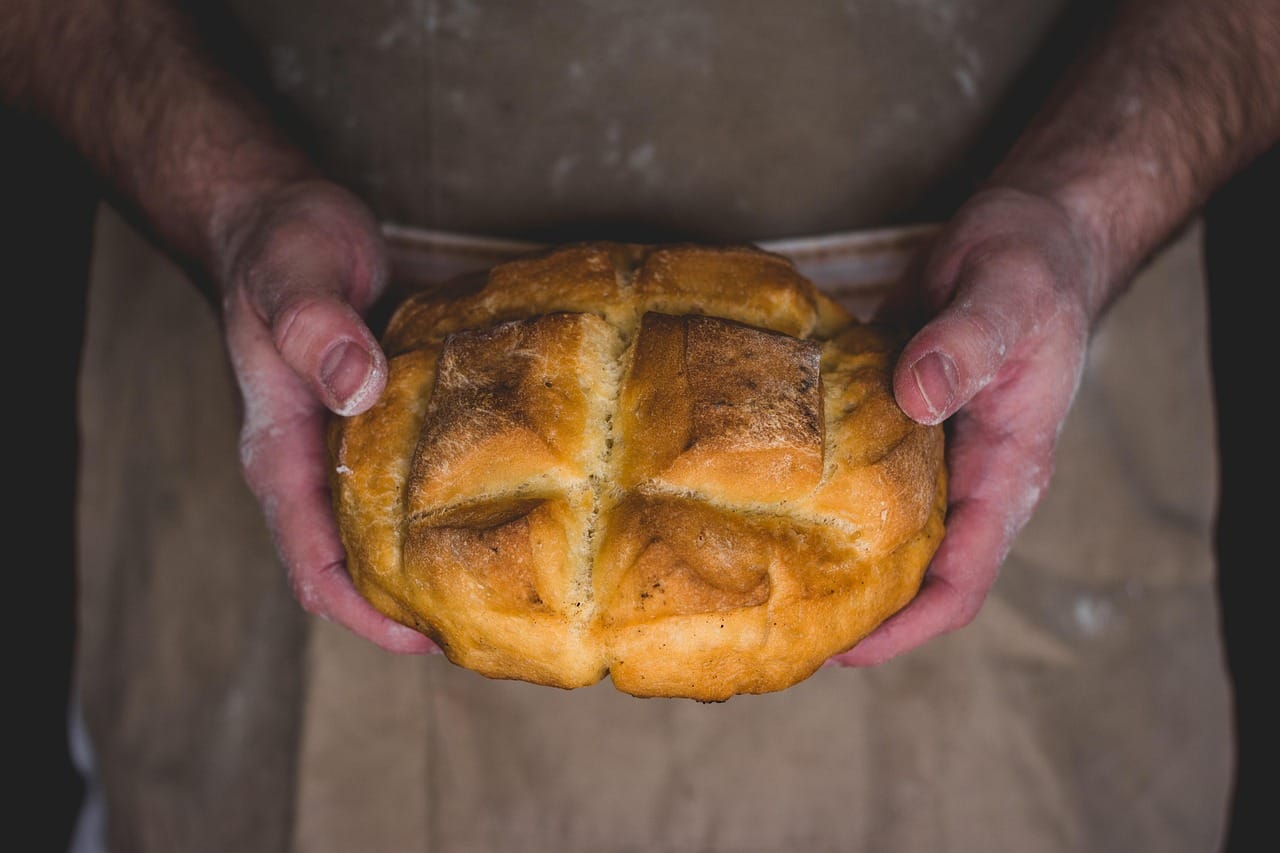
Why bread happens at night
The answer is simple chemistry. Good bread needs time: time for the dough to rise, rest, be shaped and rise again. If a bakery wants fresh bread on the shelves when the doors open at seven, somebody has to start in the middle of the night. There is no shortcut that does not make the bread worse.
Marco, the head baker, has been doing this for twenty-two years. He describes it without complaint. "The night is quiet. Nobody calls you. Nobody emails you. It is just you, the dough and the radio. Some people would hate it. I think it is the best office in the world."
The night is quiet. Nobody calls you. It is just you, the dough and the radio.
Marco, head baker
A dance in a small kitchen
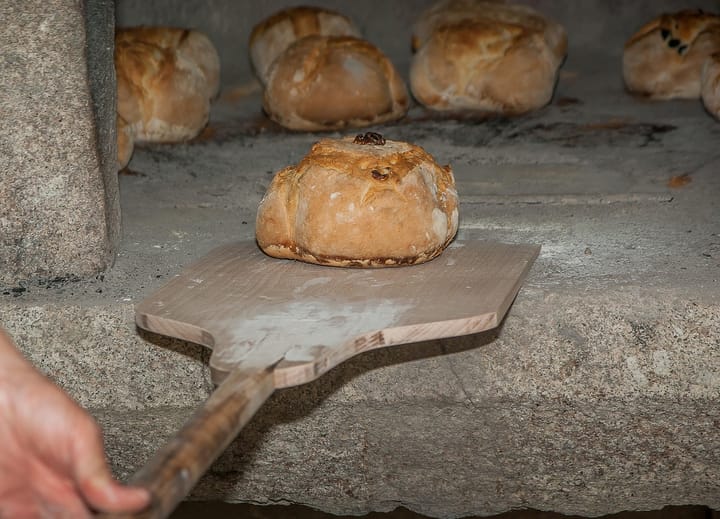
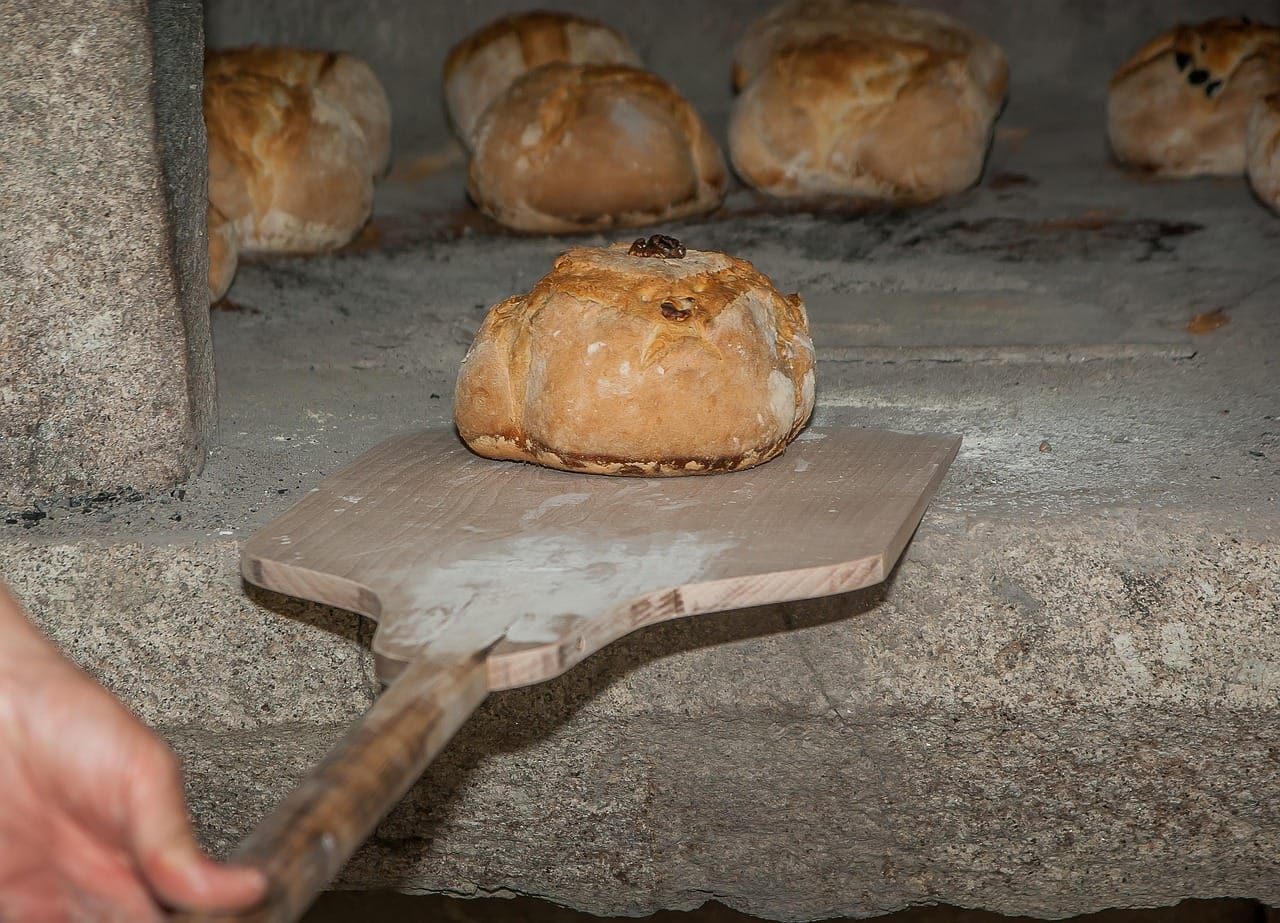
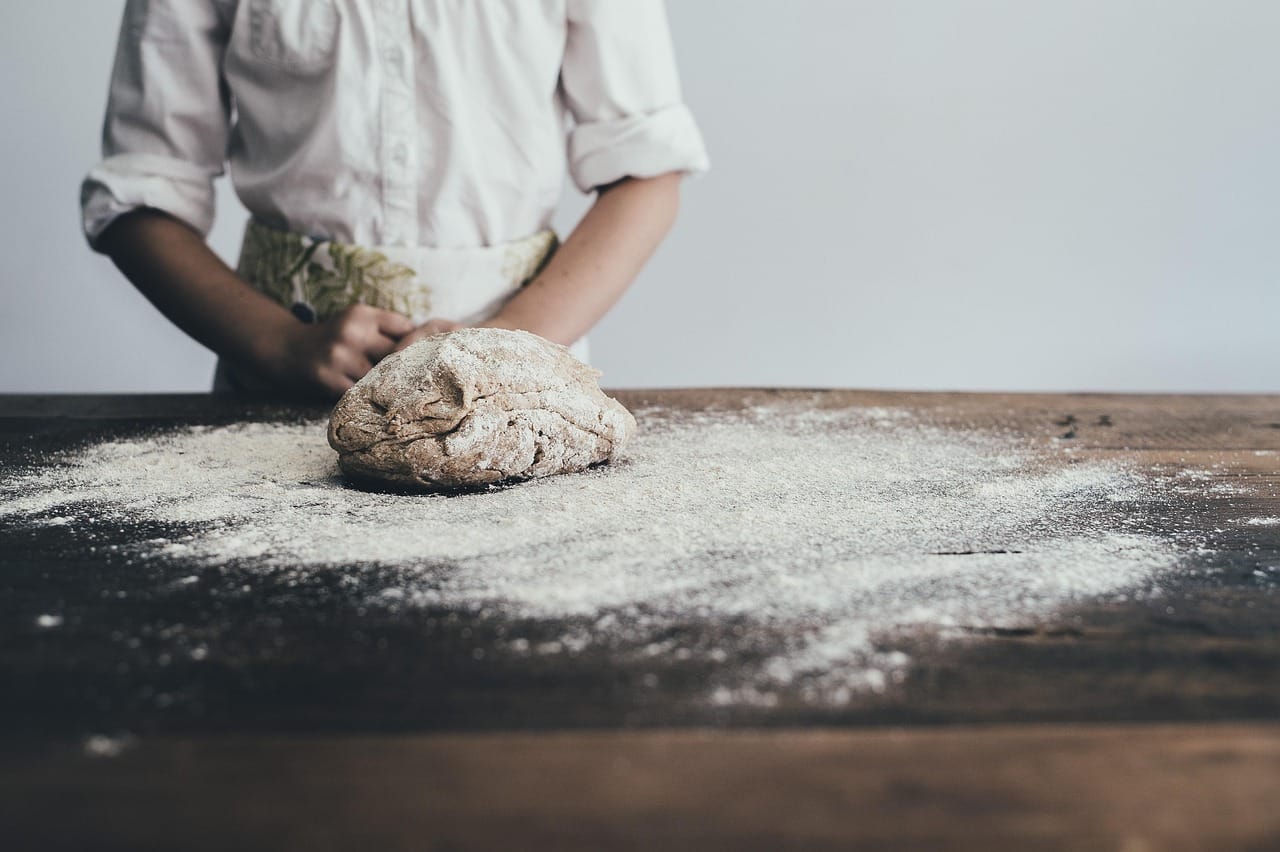
What stands out in the recording is the rhythm. Three people move around a tiny kitchen without ever getting in each other's way. One weighs and mixes. One shapes. One manages the ovens, loading and unloading trays with long wooden paddles. Almost nobody speaks. After years together, they do not need to.
Kemi asks how they learned to work like this. The answer is repetition. The same steps, in the same order, every night, until the whole team moves like one person.

The first customers
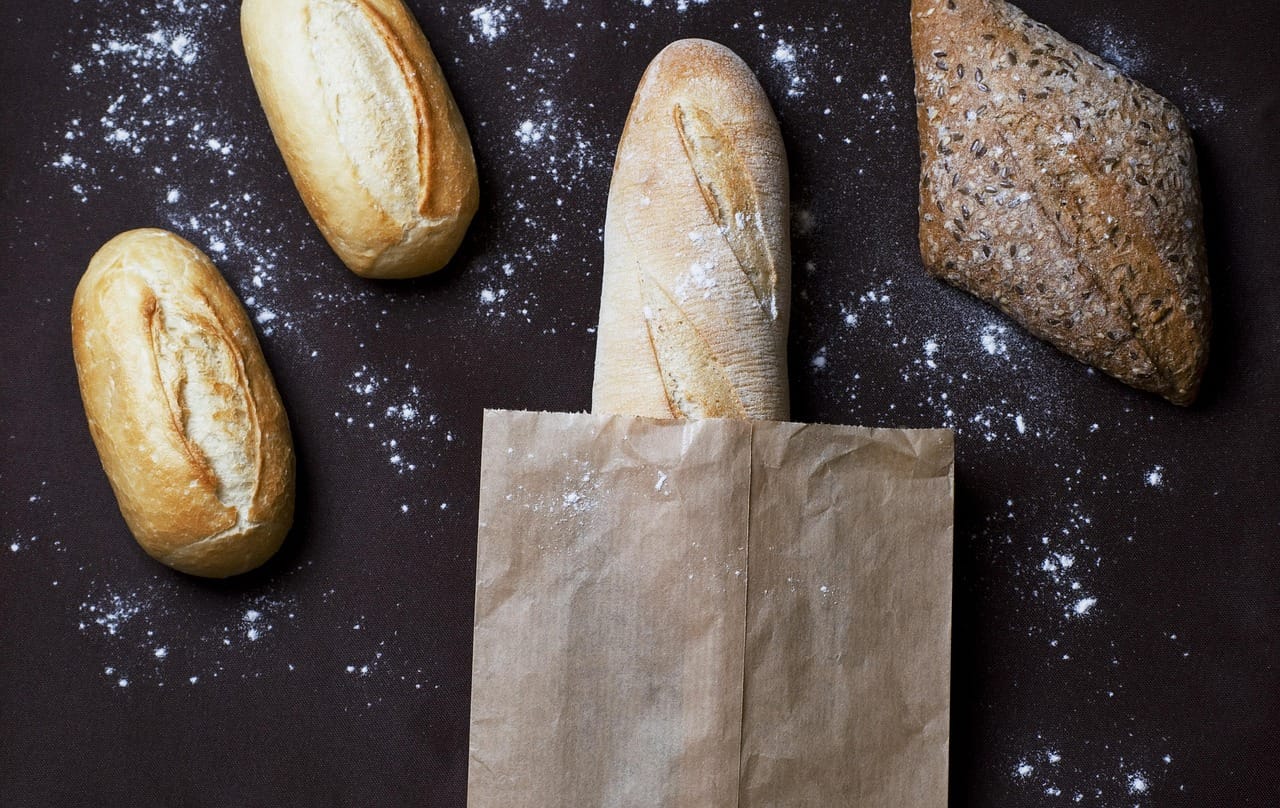
At a quarter to seven, the first customers arrive, usually the same people every day. A nurse coming off a night shift. A builder on his way to a site. A retired teacher who likes to be the first person to buy the day's bread. Marco knows most of their orders before they speak.
For the bakers, this is the reward. After five hours of work in the dark, they get to watch people carry away something they made with their hands, still warm.
What night work costs
The episode does not pretend night work is easy. Everyone in the bakery talks about the trade-offs: missed family dinners, friends who stop inviting you out, the strange tiredness of sleeping in daylight. Marco has blackout curtains, a strict bedtime of four in the afternoon and a partner who works days. They see each other at breakfast and on Sundays.
Kemi also talks to a sleep researcher about what regular night work does to the body. The advice is practical: keep the same schedule even on days off, protect your sleep like an appointment, and get daylight when you wake up, even if that is late afternoon.
Why they stay
Asked why he still does it, Marco takes a long time to answer. Eventually he says that bread is one of the few jobs where you can see your whole day's work at the end of it, sitting on a shelf. "Most people finish work and cannot point to what they did. I can. It is right there, and people are eating it."
Behind the episode
Recording in a working bakery is harder than it sounds. The ovens roar, the mixers rattle and the extractor fan never stops. Kemi used two small microphones clipped to the bakers' aprons, which is why you can hear Marco humming along to the radio throughout most of the episode. We decided to leave it in.
What happened next
Since the episode aired, the bakery has had a steady stream of listeners turning up at seven in the morning to buy bread and say hello. Marco says he has never been so famous and has asked us to stop, gently, because he is running out of sourdough by eight.
Listener question: how do you stay awake?
Many night workers wrote in to share their own tips, and the bakers had theirs too. Eat a proper meal before the shift, not a snack. Drink water, not only coffee. Take a short walk outside, even at three in the morning. And keep the radio on, because silence makes the hours longer.
More from Night Shift
This season, Night Shift also visits a hospital ward through the night. Kemi says the two episodes belong together: both are about people who do essential, quiet work while the rest of us are asleep, and both end at the same moment, when the city wakes up and the night workers finally go home.
Credits
Hosted by Kemi Adeyemi. Recorded on location, between 1am and 8am, with the full permission of three very patient bakers.