A potter on making 10,000 mugs
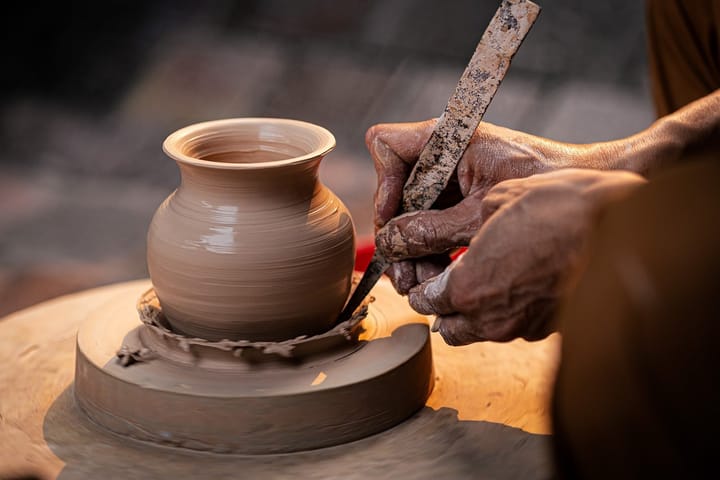
Hana Mori numbers every mug she makes. She is past ten thousand, and she is still getting better.
 Kemi Adeyemi
4 min read
Kemi Adeyemi
4 min read
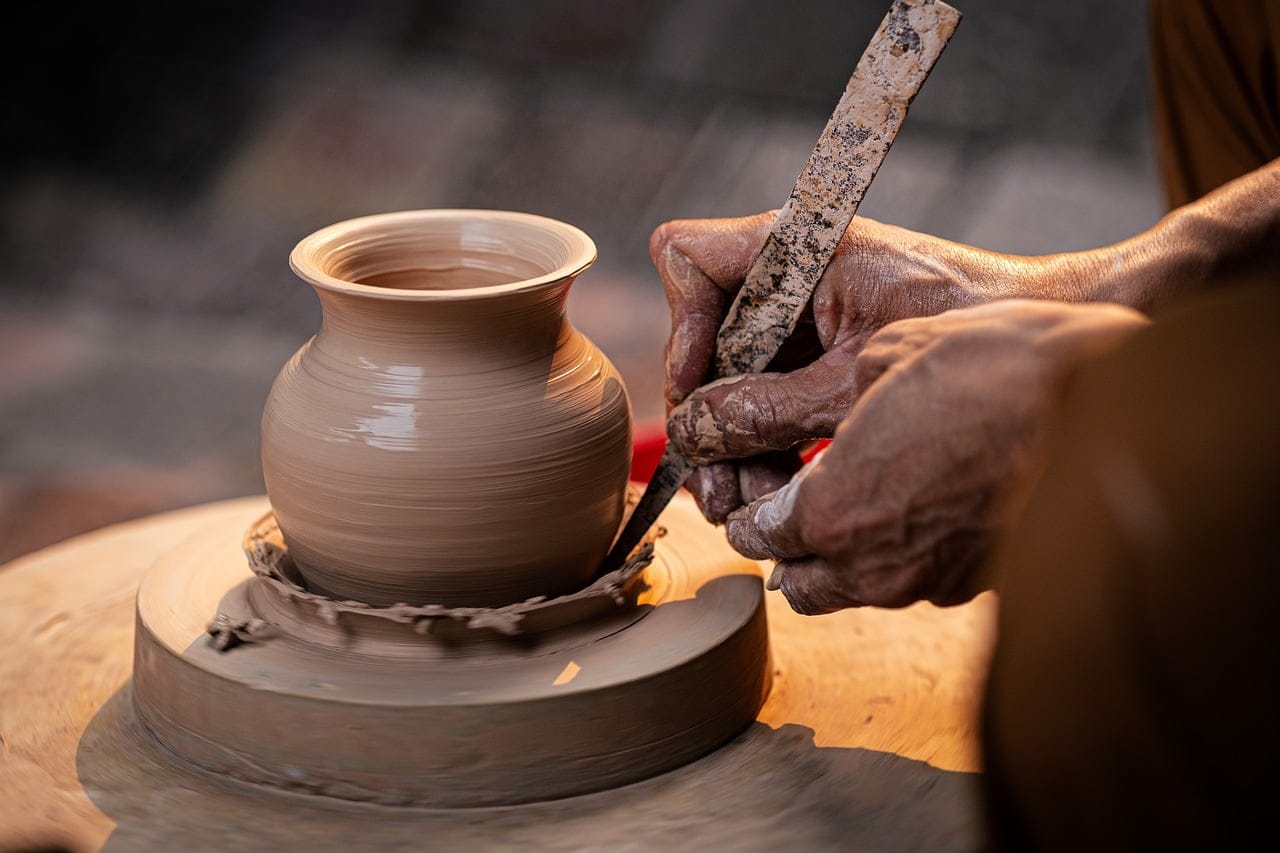
Hana Mori has made more than ten thousand mugs. She knows, because she numbers every one on the base. In this episode of Small Talk, Kemi sits down in Hana's studio to talk about repetition, mastery and why the ten-thousandth mug is still not perfect.
In this episode
- 00:00 — The sound of a wheel starting up
- 05:15 — Why Hana numbers every mug
- 14:30 — From hobby to a full-time business
- 25:40 — The glaze that took two years to get right
- 35:10 — Advice for anyone who makes things by hand
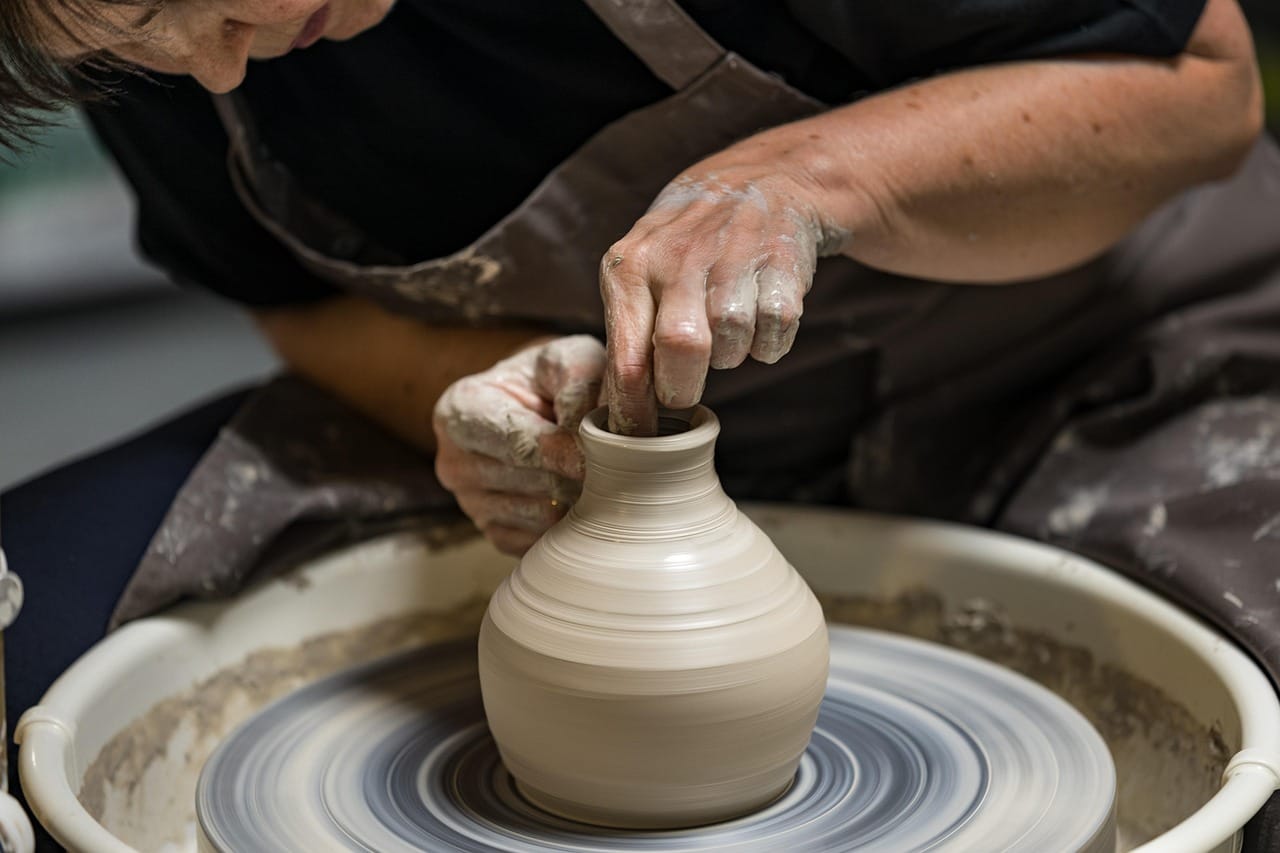
Numbering everything
Hana started numbering her mugs as a joke with herself. After the first hundred, it became a habit. After the first thousand, it became a record of her progress. She keeps a few from every thousand on a special shelf. Picking up mug number 212 next to mug number 9,860, the difference is obvious: the walls are thinner, the handle sits better, the shape is calmer.
"I did not get better by thinking," she tells Kemi. "I got better by making. Thinking helped a little. Making helped a lot."
I did not get better by thinking. I got better by making.
Hana Mori
Turning a hobby into a living
Like many makers, Hana started in an evening class. For years, pottery was a way to relax after an office job. Then friends started asking to buy her work, then friends of friends, then strangers online. The conversation covers the practical side honestly: pricing, the cost of kiln firings, the early mistake of selling mugs for less than the materials cost.
Two years of glaze
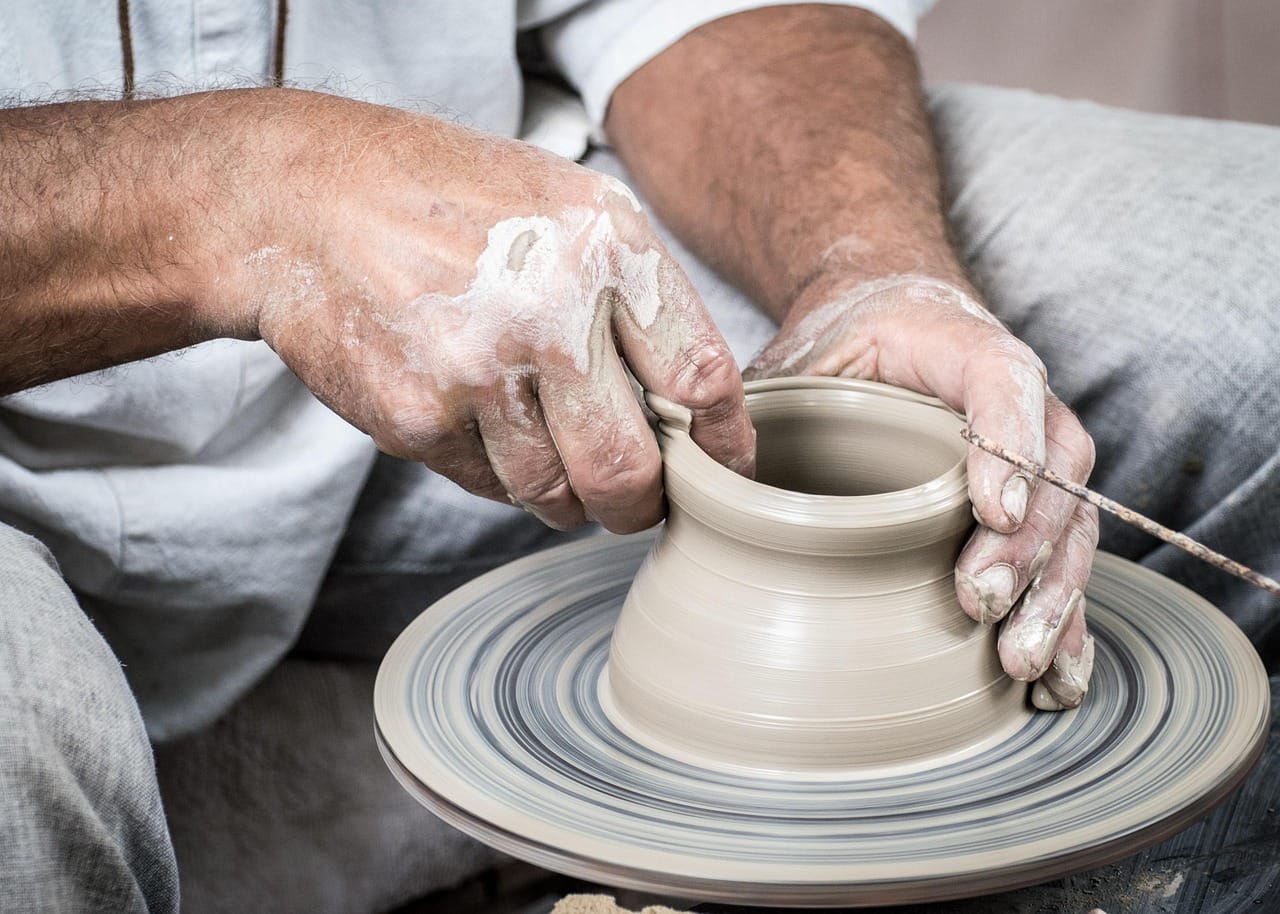
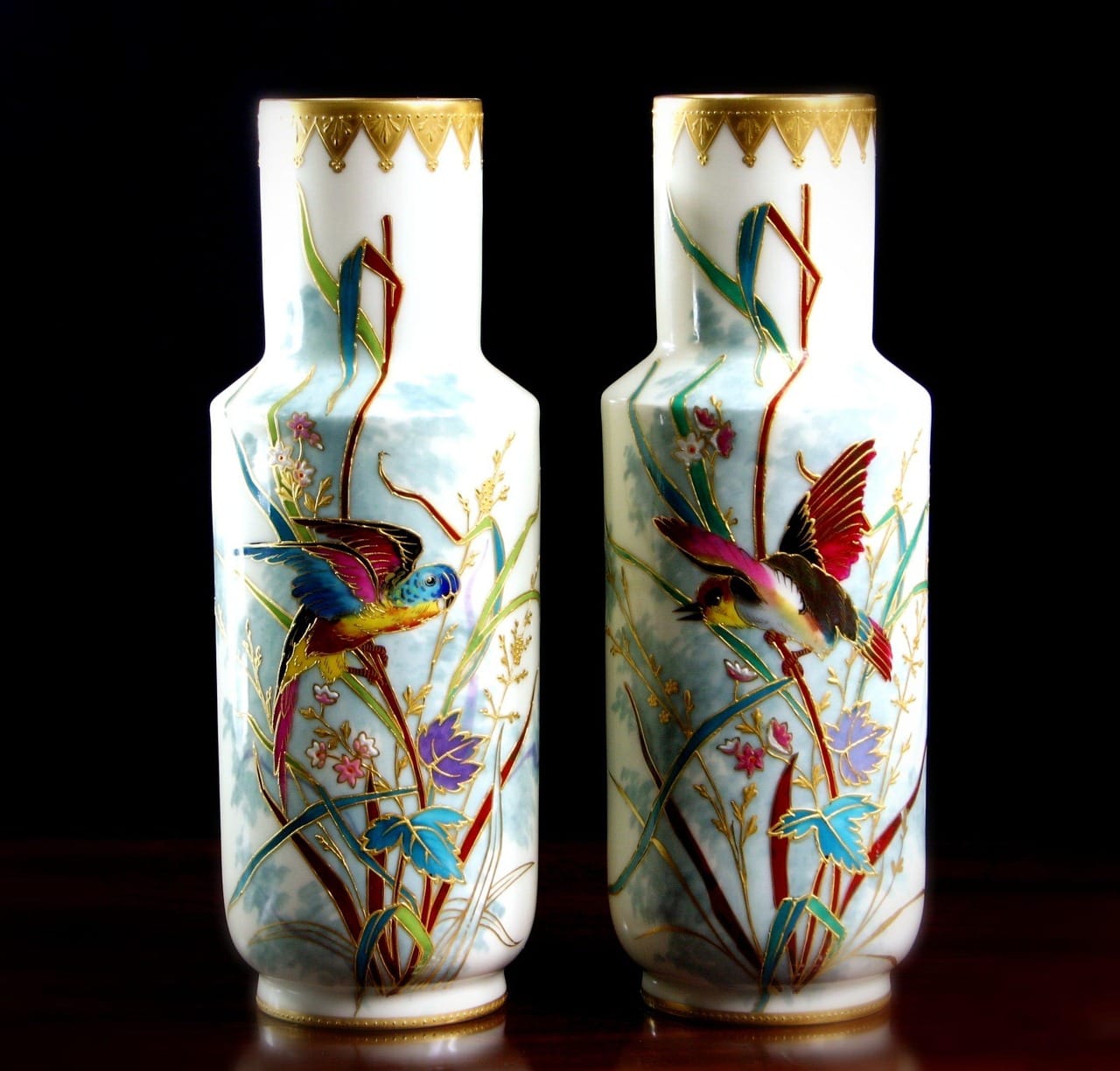
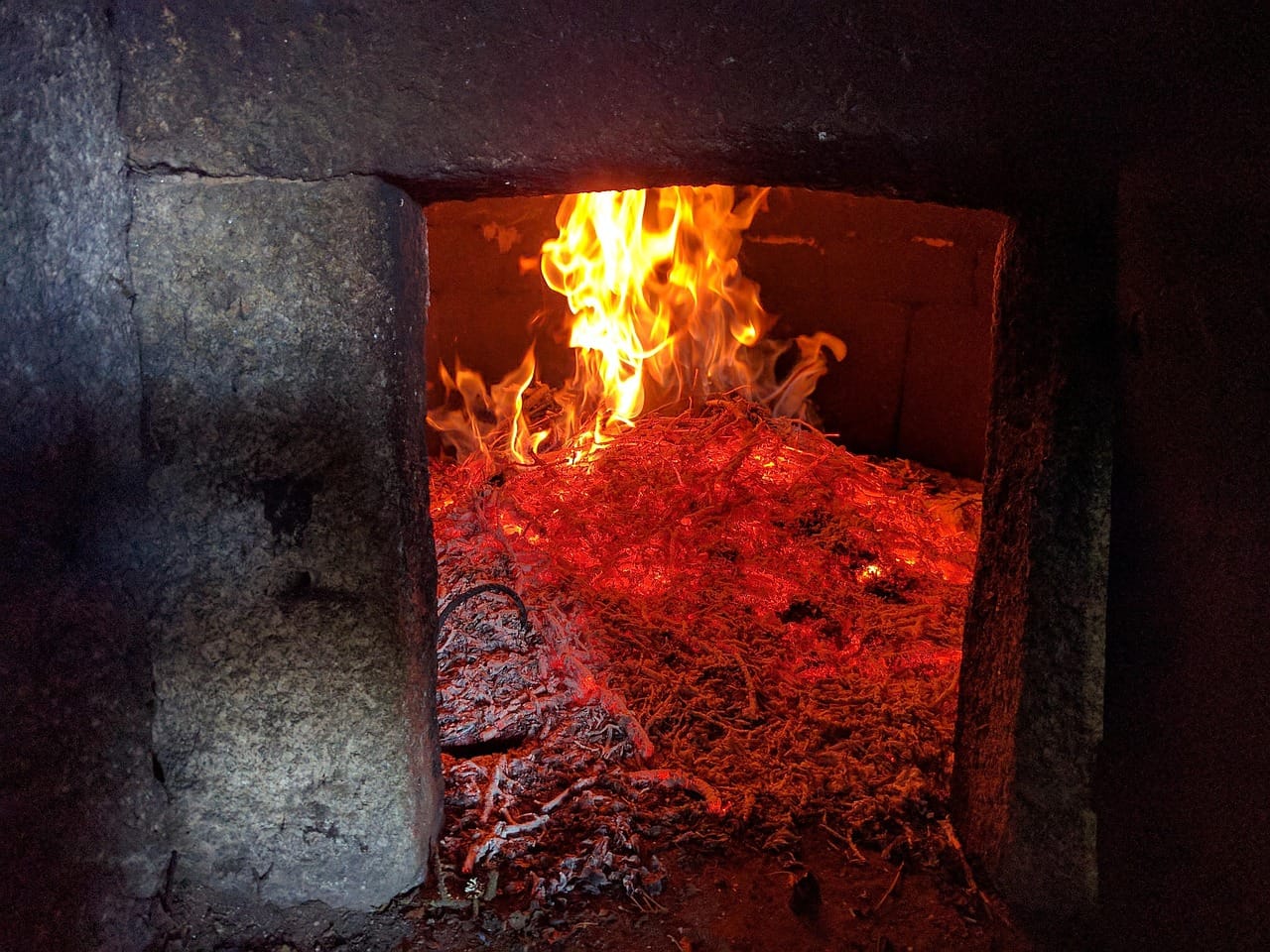
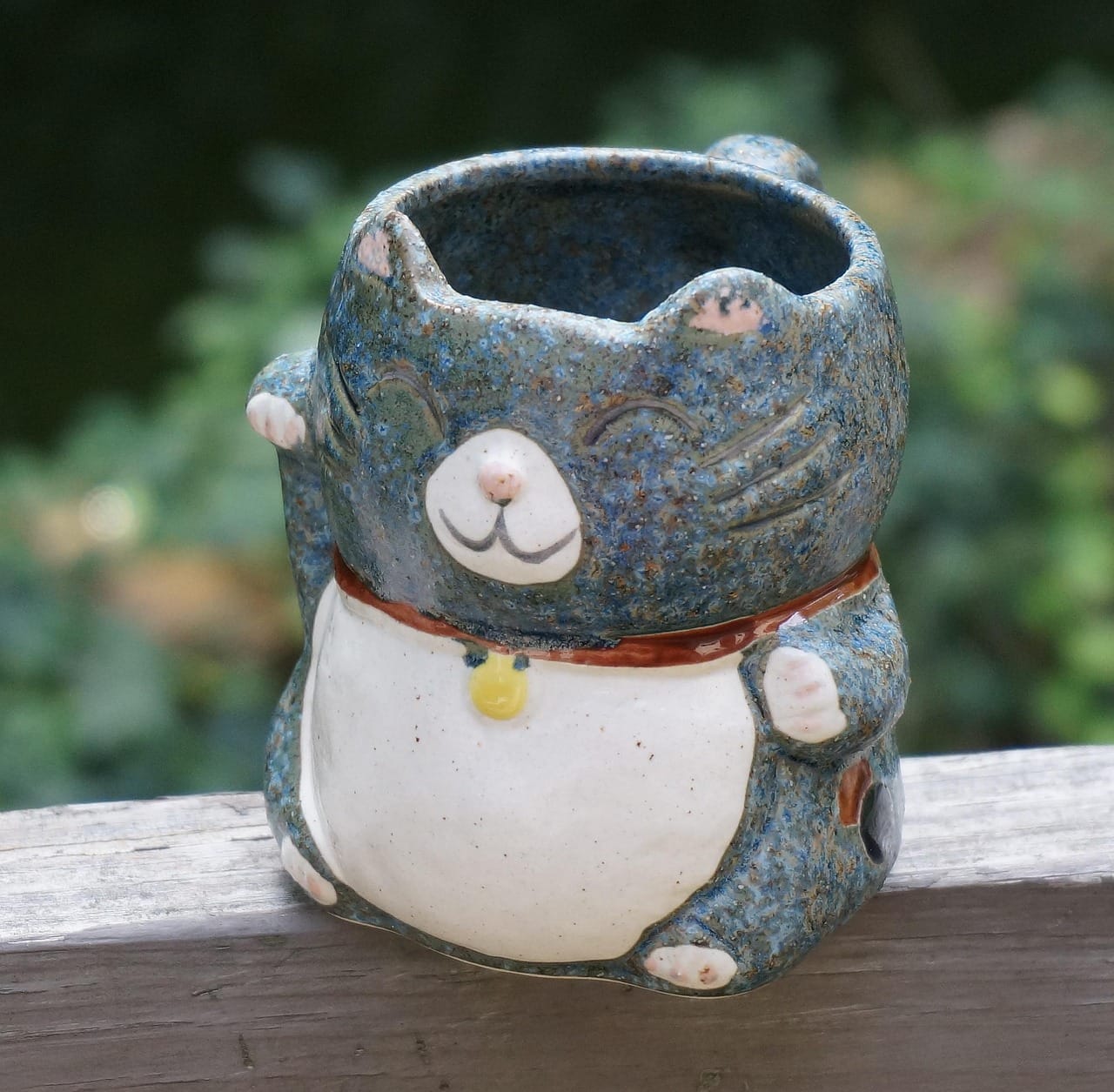
The story Kemi loves most is about a single glaze, a deep sea blue that Hana spent two years developing. Hundreds of test tiles. Dozens of failed firings. Mugs that came out green, grey, cracked or streaked. Today, it is her best-selling colour, and customers often ask why it cannot be made faster. The answer is that nobody can hurry chemistry and heat.
Advice for makers
Kemi ends by asking for advice for anyone who makes things by hand and wonders whether to take it further. Hana's answer is practical. Make a lot. Keep the early work so you can see how far you have come. Charge properly from the beginning. And protect the part you love, because when a hobby becomes a job, it is easy to lose the joy that started it.
"I still make one mug a week that nobody will buy," she says. "Just for me, just to play. It keeps the rest honest."
Behind the episode
Kemi recorded this conversation over a whole afternoon while Hana kept working. You can hear the wheel spinning up and slowing down, the slap of clay on the wheel head and, at one point, Hana laughing because a mug collapsed mid-sentence. She insisted we keep that part in. "People should know that happens to everyone," she said.
What ten thousand looks like
A few numbers from Hana's studio, because listeners asked: around twenty-five kilograms of clay a week, three kiln firings, forty to sixty mugs, and roughly one in ten pieces rejected for small flaws. The rejects are not wasted. Hana sells them once a year at a "seconds" sale that sells out within an hour.
Listener question: how do I start?
Hana's answer is to find a local class and commit to it for at least three months. The first few weeks are humbling, she warns: clay does not do what you want, and most of your early pieces will collapse. But around the tenth or twelfth session, something clicks, and from then on the progress is fast and deeply satisfying.
More conversations
Small Talk continues this season with a furniture maker, a typeface designer and a woman who repairs vintage cameras. Every guest is someone who makes things by hand and has thought hard about what it takes to get good.
Credits
Hosted by Kemi Adeyemi. Recorded in Hana's studio, with the wheel running in the background, because she refused to stop working.