The quiet revolution in batteries
Battery prices fell by ninety percent. Here is how that is quietly changing the whole energy system.
 Theo Brooks
4 min read
Theo Brooks
4 min read
Batteries are not exciting. They are grey, heavy and invisible, hidden inside phones, cars and walls. They are also quietly changing how the whole world uses energy. In this episode of Future Tense, Theo explains the battery revolution in plain English.
In this episode
- 00:00 — The most boring object in your pocket
- 06:10 — How a battery actually stores energy
- 15:35 — Why prices fell by ninety percent
- 27:00 — Storing sunshine for the evening
- 36:40 — What comes after lithium
A box of chemistry
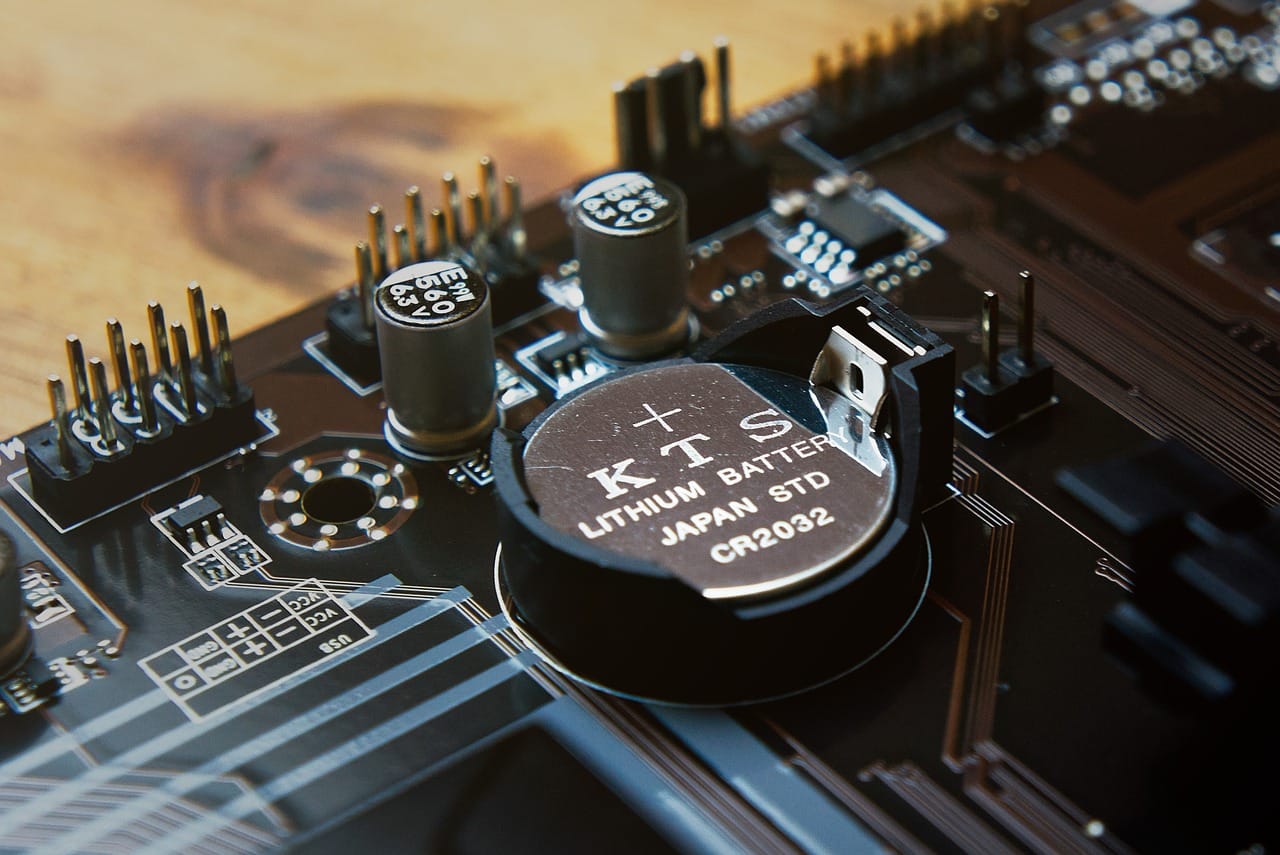
Theo starts with the basics. A battery is two different materials separated by a third one that lets charged particles move between them, but not electrons. When you use a battery, the electrons take the long way round, through your phone or your car, and that flow is the electricity you use. Charging pushes everything back.
It sounds simple, and in principle it is. The hard part is making batteries that store a lot of energy, charge quickly, last for years, do not catch fire and do not cost a fortune.
The whole energy transition is, in a sense, a story about a box of chemistry getting cheaper.
Theo Brooks
Ninety percent cheaper
The most important number in the episode is this: the price of lithium-ion battery packs has fallen by around ninety percent over roughly the last fifteen years. Theo's guest, an energy analyst, explains why: huge factories, better chemistry and the simple effect of making more of something, which makes every unit cheaper to produce.
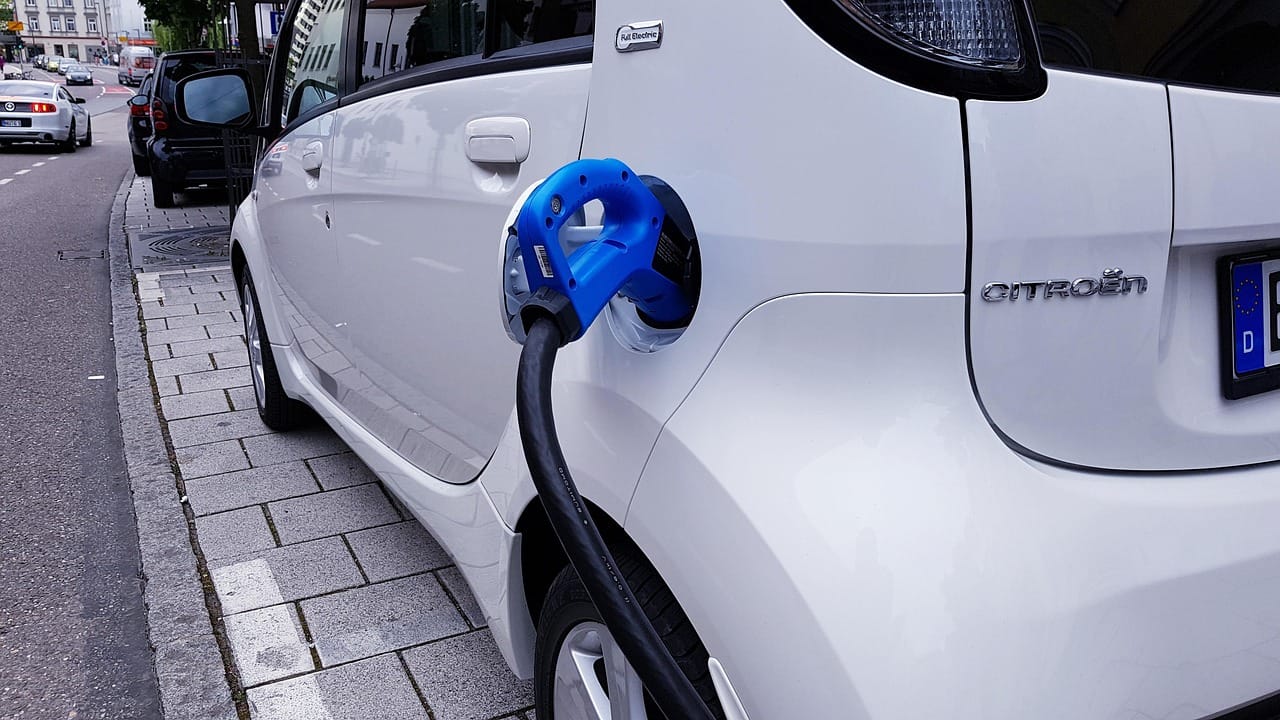
That price drop is why electric cars went from expensive curiosities to ordinary vehicles, and why power companies can now store energy on a scale that was unthinkable a decade ago.
Storing sunshine
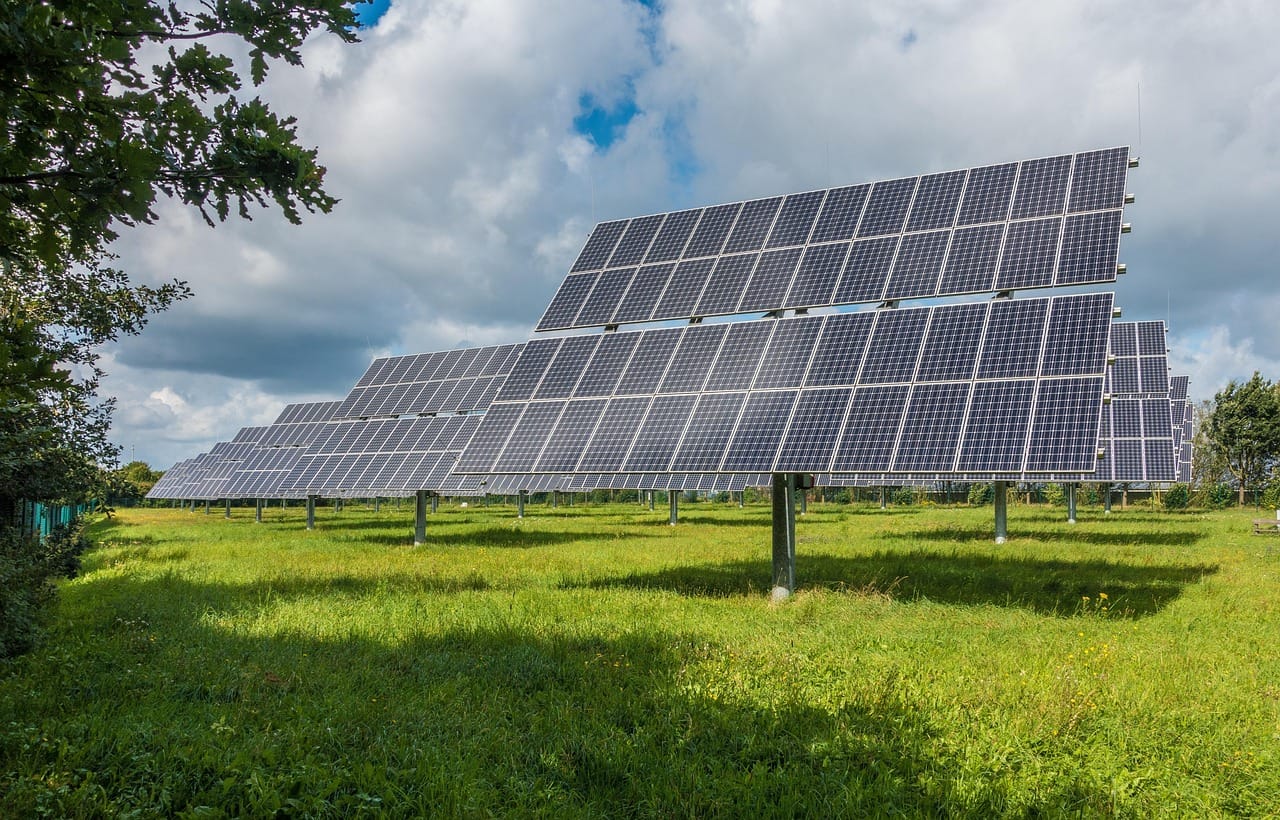
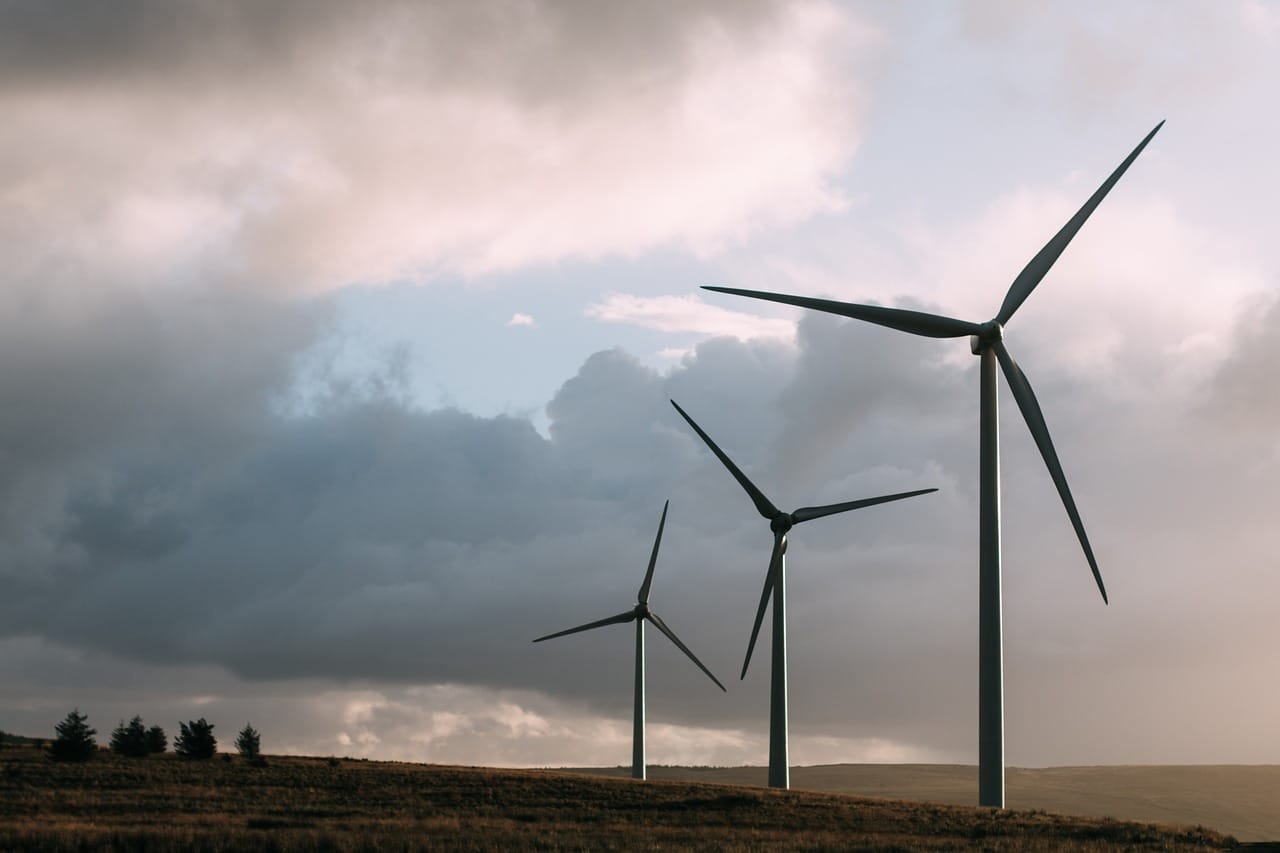
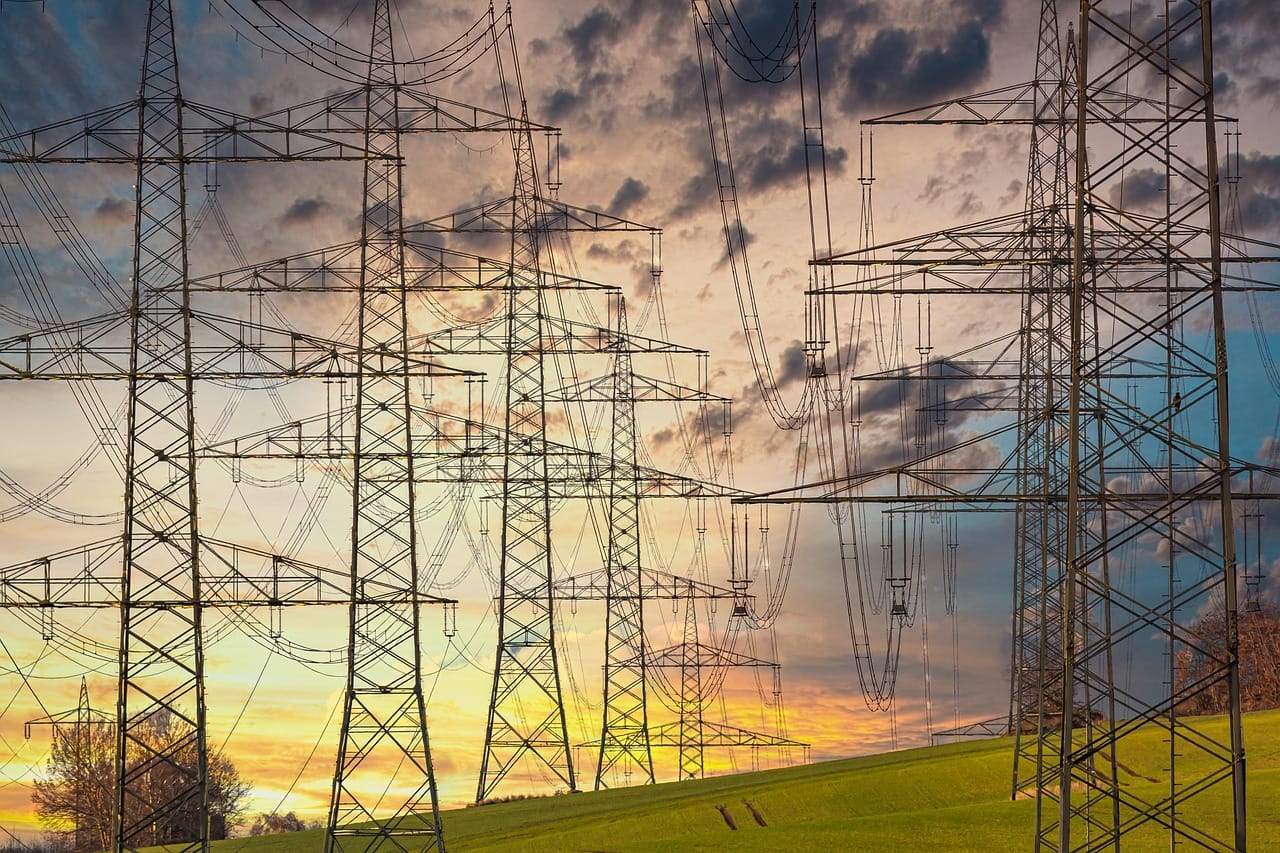
Solar panels produce most of their power at midday. People use most of their electricity in the evening. For years, that mismatch was one of the biggest problems for renewable energy. Large batteries, some the size of a warehouse, now soak up the midday surplus and release it after sunset. In some regions they are already changing how the power grid runs.
After lithium
The episode ends by looking ahead. Researchers are working on batteries made from cheaper, more common materials like sodium, on solid-state designs that could be safer and hold more energy, and on better ways to recycle old cells. Theo's guest is cautiously optimistic: not every promised breakthrough will arrive, but the direction is clear.
Behind the episode
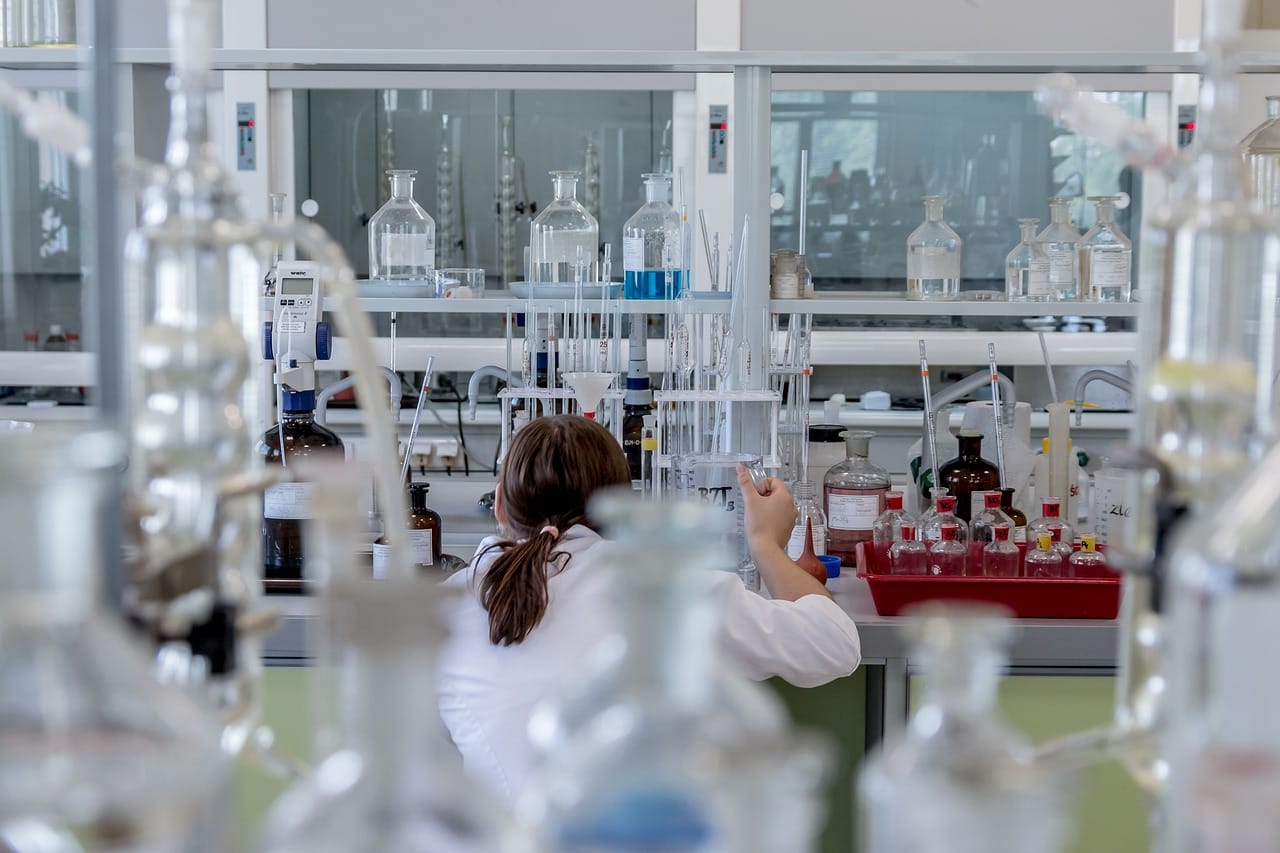
Theo visited a battery research lab for this episode, where he was allowed to hold a prototype cell about the size of a paperback book. He was also told, firmly, not to drop it. You can hear the nervous laugh in the recording.
Listener question: should I buy an electric car now?
Theo does not give financial advice, but he does share what the experts told him. Battery life has improved a lot, and most modern electric car batteries are expected to last well beyond the life of the car's warranty. Prices are falling, and second-hand electric cars are increasingly common. The right answer depends on where you live, how far you drive and whether you can charge at home.
What about recycling?
This was the most common question after the episode. The short answer is that battery recycling is growing quickly. Many of the valuable materials inside a used battery can be recovered and used again. The industry is still young, but several large recycling plants are now running, and more are being built.
Next on Future Tense
Next season, Theo explains quantum computers, the satellites that power your phone's map and the software that keeps national power grids stable. He promises, as always, no hype and no jargon.
Credits
Hosted by Theo Brooks. With thanks to our energy analyst guest, who patiently explained electrons three times.